


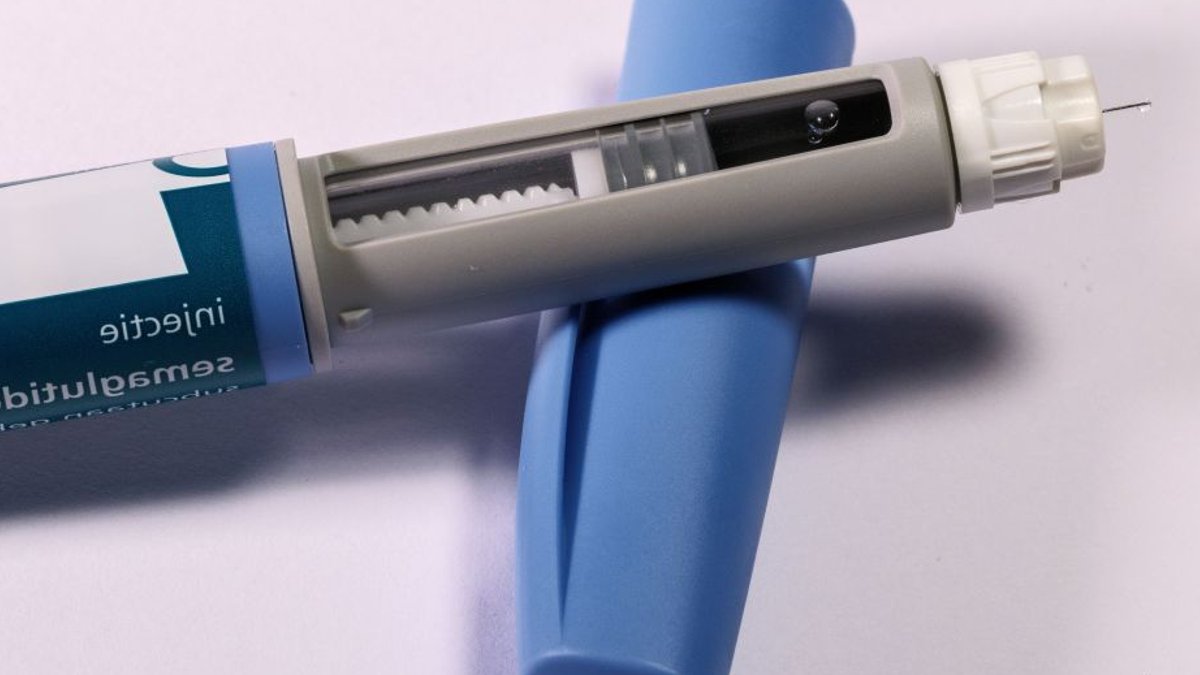
UK drug regulators have approved a daily pill version of the obesity drug semaglutide (Wegovy) for weight loss, marking a shift in public health policy. The tablet form of Wegovy, manufactured by Novo Nordisk, is the first glucagon-like peptide-1 (GLP-1) receptor agonist pill to be approved by the Medicines and Healthcare Products Regulatory Agency (MHRA) for weight loss and weight management in the UK.
First use of blocking orders for public health
A recent legal ruling expands the use of website blocking orders to combat the sale of counterfeit medicines. The UK High Court granted an application to vary and extend an earlier order against major internet service providers (ISPs) like BT, Sky, and Virgin Media. The targets included four websites advertising and selling unlicensed semaglutide, often falsely branded as Ozempic or Wegovy.
The evidence showed a proliferation of falsified products. These included outright counterfeits bearing Novo Nordisk branding, unlicensed third-party versions, and products substituting entirely different substances like insulin. Sample purchases revealed impurities, and the company presented data linking falsified semaglutide to hundreds of hospitalisations and deaths globally. The MHRA supported the application after failing to have the sites taken down through other means.
While the court has previously used blocking orders to stop copyright piracy, this is the first time the system has been applied to public health. The judge noted that advertising or offering unlicensed prescription-only medicines is a criminal offence under the Human Medicines Regulations 2012. The court had to decide if Novo Nordisk had the standing to enforce these breaches.
Related: Digital ID scrapped and ECHR jurisdiction in Court of Appeal
The judge applied the established “Cartier” framework, holding that the ISPs met the threshold requirements. This framework applies to intermediaries who facilitate access to infringing websites used by UK consumers. The ruling clarifies that the Cartier jurisdiction is not confined to intellectual property infringement but rests on the court’s equitable protective jurisdiction over facilitators “unwittingly mixed up” in a legal wrong, whether civil or criminal.
This legal shift allows courts to treat regulatory breaches involving criminal conduct similarly to civil rights infringements. The judge drew on the Supreme Court’s decision in Wolverhampton City Council v London Gypsies and Travellers, which affirmed that equitable jurisdiction can evolve to meet new circumstances.
Novo Nordisk relied on trade mark infringement and passing off, but also cited criminal offences under the 2012 Regulations. These included selling unauthorised medicinal products, selling prescription-only medicines without a prescription, and unlawful advertising. Applying proportionality criteria, the judge found the sites were “profiting from infringement on an industrial scale” and posed serious public health risks.
New rules for future enforcement
The order was granted, and the subsequent hearing sought to make future enforcement easier. The applicants asked for “dynamic blocking,” allowing them to self-certify against a confidential schedule of criteria to add new websites without returning to court. The ISPs support this approach to reduce their compliance costs.
Related: What Evidence Do You Need to Strengthen Your Personal Injury Case?
The judge observed that creativity is needed to target wrongdoing effectively. Traffic from UK consumers to the initial target websites has massively declined since the original order, though attempts to circumvent the block using “mirror domain” names have occurred. The judge noted over 130 other websites now promote counterfeit and unlicensed products to UK consumers.
The sale of unlicensed prescription-only medicinal products continues to be linked to organised crime gangs operating anonymously from abroad. While the MHRA finds it difficult to police this activity, the legal framework is adapting. The court confirmed that the equitable jurisdiction to grant injunctions is broad and unconfined by rigid categorisation.
There is a precedent for this type of private enforcement in Ashworth Hospital Authority v MGN Limited. In that case, the House of Lords ruled that the law must allow wrongdoers to be identified if they commit a criminal wrong, just as it would for a civil wrong. The judge in the current case found this principle provided an adequate platform for the relief sought, even in permutations where no civil wrongdoing is directly relied upon.


